



Dxcover blood test boosts early detection of brain cancer
Liquid biopsy technique combines IR spectroscopy and AI for rapid analysis of samples.
17 February 2026
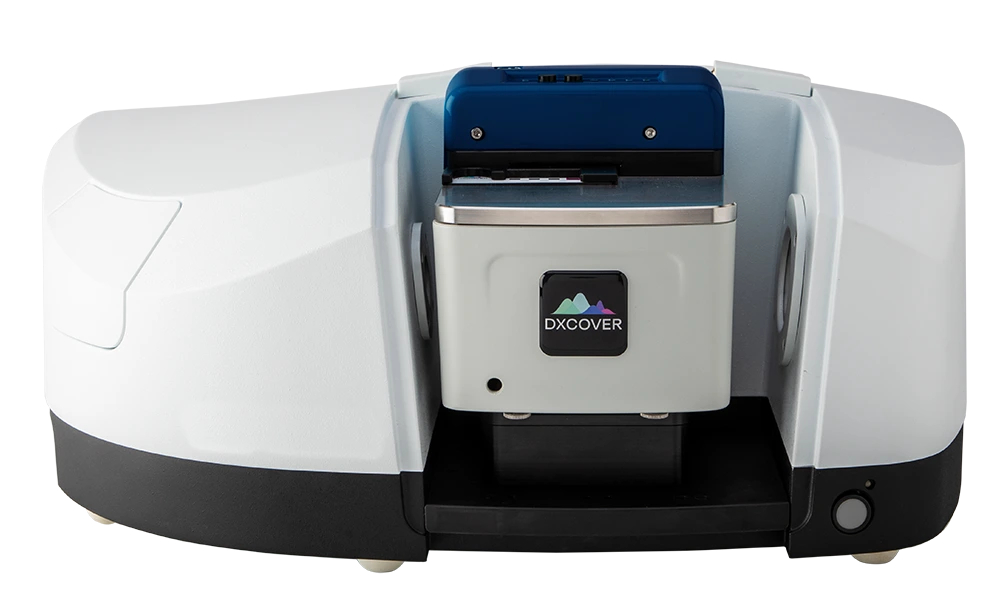
Dxcover, a developer of AI-enabled medical diagnostic technology originally spun-out from the University of Strathclyde, has announced availability of its blood-based brain cancer early detection test in the UK.
The new test has demonstrated a 99.3 percent negative predictive value (NPV), according to the company, a measure of how often someone who tests negative does indeed not have disease. This level will enable GPs to provide earlier reassurance to symptomatic patients, make informed referral into imaging, and reach an earlier diagnosis.
UK-based GPs and private specialists are invited to register their interest to enable access to the test and integrate it into existing referral workflows for the triage of symptomatic patients into imaging or specialist assessment.
In June 2025 the company announced the launch of its US headquarters in Nashville, Tennessee, as a step towards commercializing the Dxcover Panaromic cancer test in other territories.
"To date, blood-based detection of brain malignancies has been out of reach, with too many technical challenges for other technologies," said Matthew J. Baker, CEO and co-founder of Dxcover. "But now a minimally invasive clinical test can help improve outcomes for patients and enable treatment developments to move faster in this space."
The company intends its liquid biopsy technology to make a clinical impact for brain and central nervous system tumors. These are relatively rare, with 300,000 new cases diagnosed globally each year, but are usually seen at a very serious stage with few treatment options.
Continued pressure on diagnostic imaging capacity means many patients presenting with neurological symptoms experience delays between initial consultation, scan referral, imaging, and definitive diagnosis.
The holy grail of early cancer detection
Dxcover’s blood-based test is designed to support referral decisions and prioritization on suspected tumor pathways while patients await CT or MRI scans. Even a one-month improvement in time to diagnosis could reduce mortality by 18 to 28 percent, according to the company.
"Liquid biopsies are the holy grail of early cancer detection, providing diagnosis from a simple blood test," commented Dxcover, which describes its spectral analysis platform as an alternative to more expensive and time consuming genomic tests which hunt for specific genetic material.
The company's Panromic platform combines infrared spectroscopy and AI data analysis to capture a spectrum of signals from a patient's blood sample, providing multiomic analysis for superior detection of early-stage cancer.
"While tumor-related biomarkers are often detectable in late-stage cancer, the signals for non-tumor derived sources such as immune response dominate in early-stage disease," noted Dxcover. "Therefore tests for earlier cancer detection must also be sensitive to signals from non-tumor sources. The Dxcover signal contains information from the proteome, lipidome, metabolome and other biological components of the blood."
As well as brain cancer, the company is targeting its Panaromic diagnostic platform at overian and pancreatic cancers, where diagnosis relies heavily on symptom presentation and can often miss early-stage disease.
"By combining or enhancing current biomarkers, Dxcover aims to streamline this pathway and support faster, more accurate referral for confirmatory imaging," said the company.
Scottish laser innovation center receives £8M from UK Government
December 09 2025